Free English practice: speaking

NATO English:
Describe the Picture

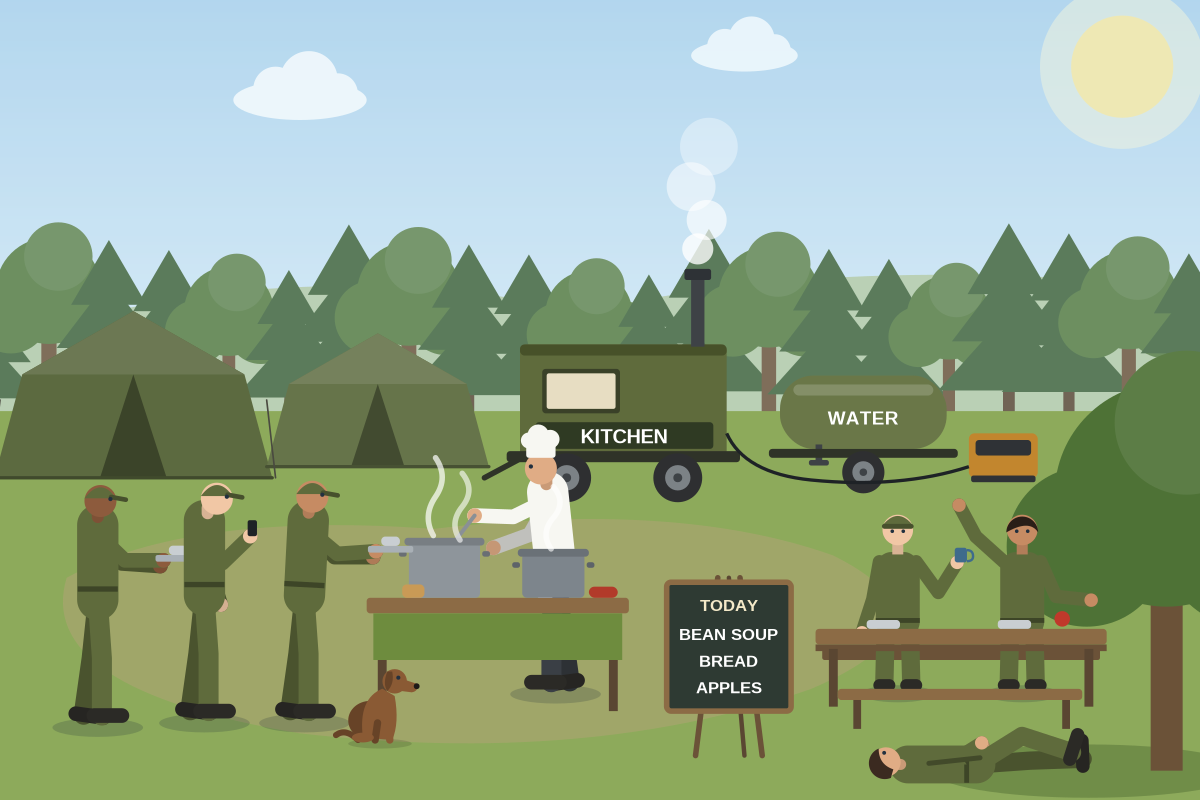
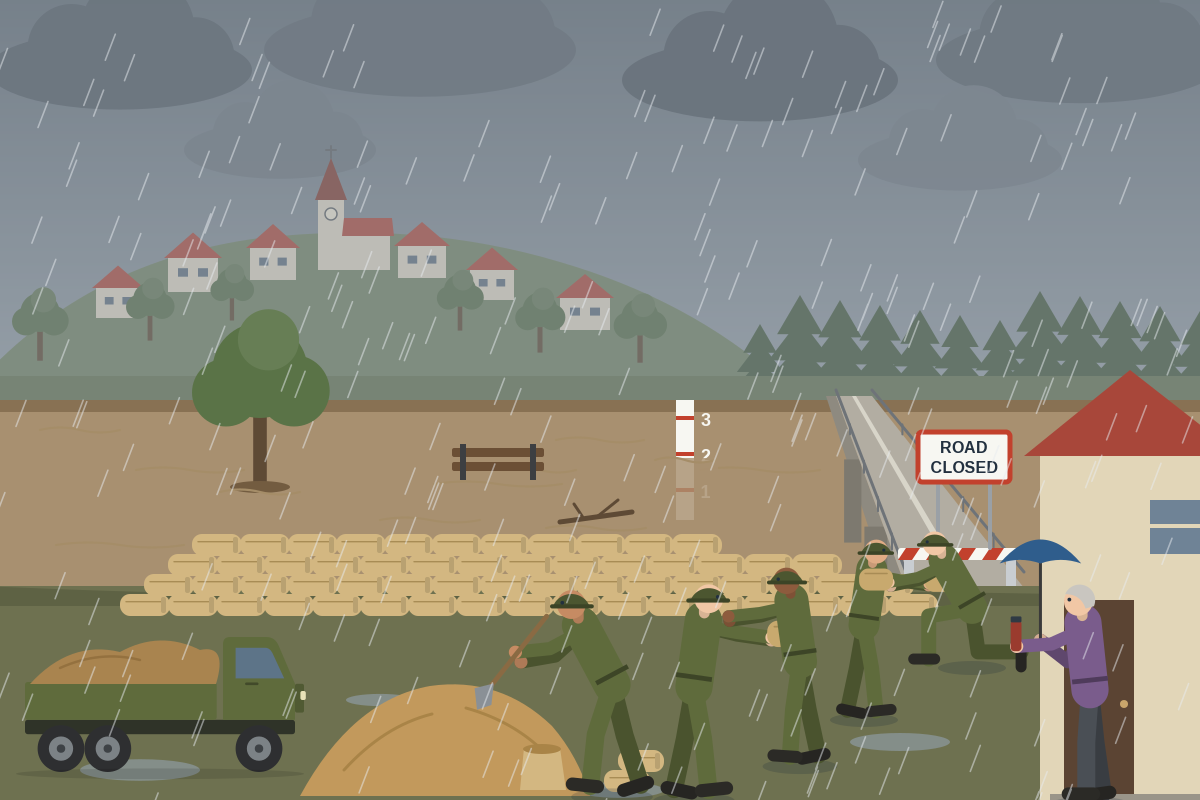
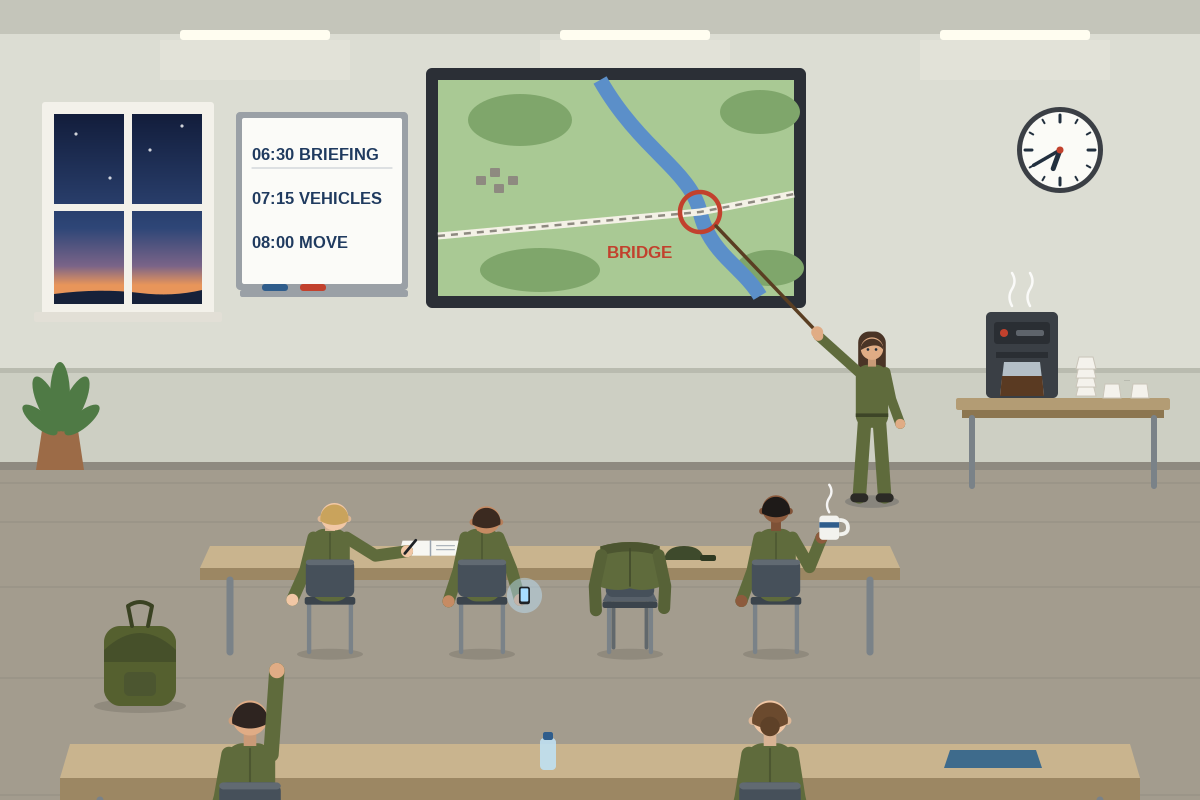
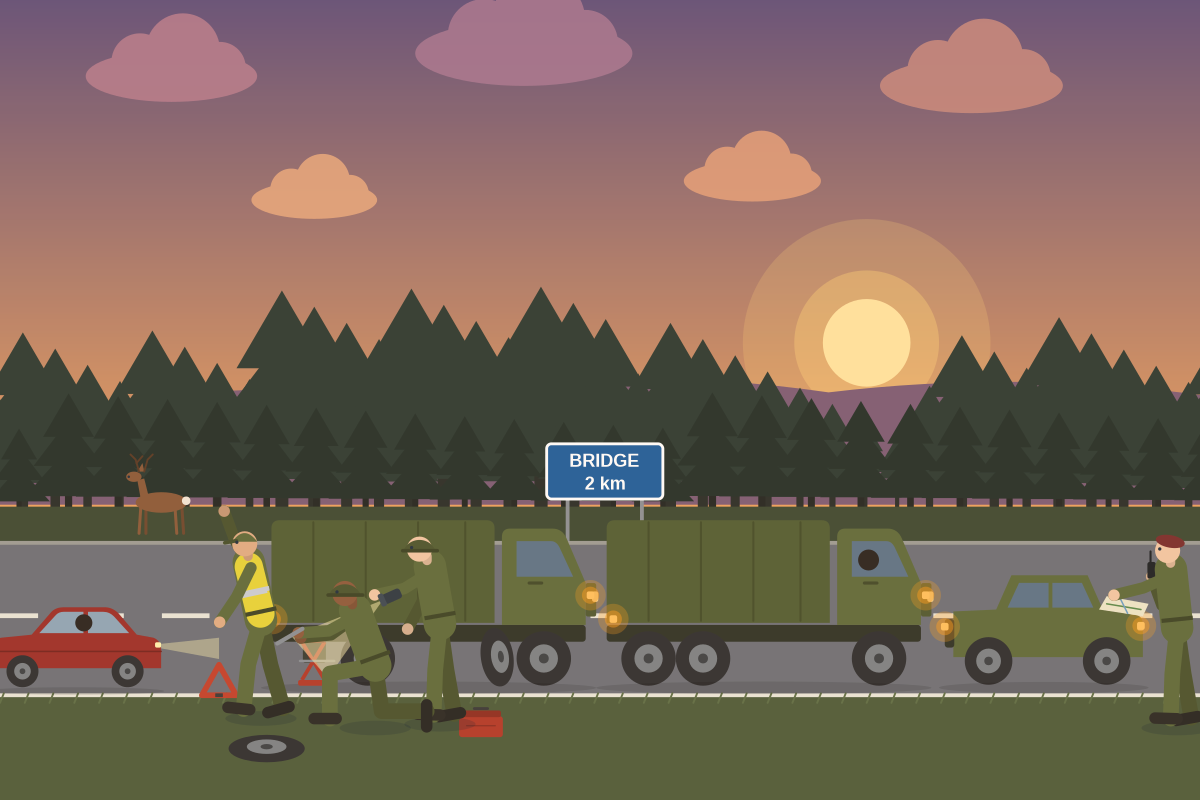
Six pictures of soldiers at work. Look at a picture, describe it out loud for two minutes, then answer questions about it.

For learners preparing for a STANAG 6001 speaking test at level 2 (about B1). Practice only, not a test.

Please note: These pictures are made up, for English practice only. They do not show real people, units, places or orders. This course is not from NATO, and it is not an official STANAG 6001 test.

Read the full note

The pictures and everything in them are fictional and made for English-language practice only. They do not show real people, units, places, equipment or procedures, and nothing in them is military advice, doctrine or standard practice. The levels are informal guides: this is practice for learners preparing for a STANAG 6001 speaking test at level 2 (about B1 on the CEFR), not an official test, a score or a prediction of one. This course is not produced or endorsed by NATO. A recording you make stays on your device and is gone when you leave the page; the Listen buttons send the words they read to a voice service (ElevenLabs).
Choose

Choose a picture

Start with Picture 1. The pictures get harder from 1 to 6. Work with a partner, or alone: record yourself and listen back.

How it works

How to describe a picture

Every picture has the same six steps: look, get ready, speak for two minutes, answer questions, compare with a model, say it again. When you speak, use these four parts, in this order.

1 The whole picture

Where is it? When? What is the weather like?

  • This picture shows ...
  • It looks like ...
  • It is a sunny / rainy / cold day.
2 The people

Who can you see? What are they doing?

  • There are three soldiers.
  • One of them is ...ing.
  • Another one is ...ing.
3 The details

What else can you see, and where?

  • On the left / On the right, there is ...
  • In the foreground / In the background ...
  • Next to / Behind / In front of ...
4 Your ideas

What do you think is happening? What happened before? What will happen next?

  • I think ... because ...
  • Maybe they ... / They might ...
  • Next, they will probably ...
Four tips
  • Make sentences, not lists. In a description, make sentences (short lines are for the radio). Not "Car. Guard. Barrier." Say "A guard is standing next to a car."
  • See first, then think. Say what you can see. Then say what you think, with "I think" or "maybe".
  • No word? Explain it. "The thing you use to ...", "a kind of ...", "it looks like a ...".
  • Stuck? Use the four parts. Go to the next part and keep talking.
An example: the start of Picture 1

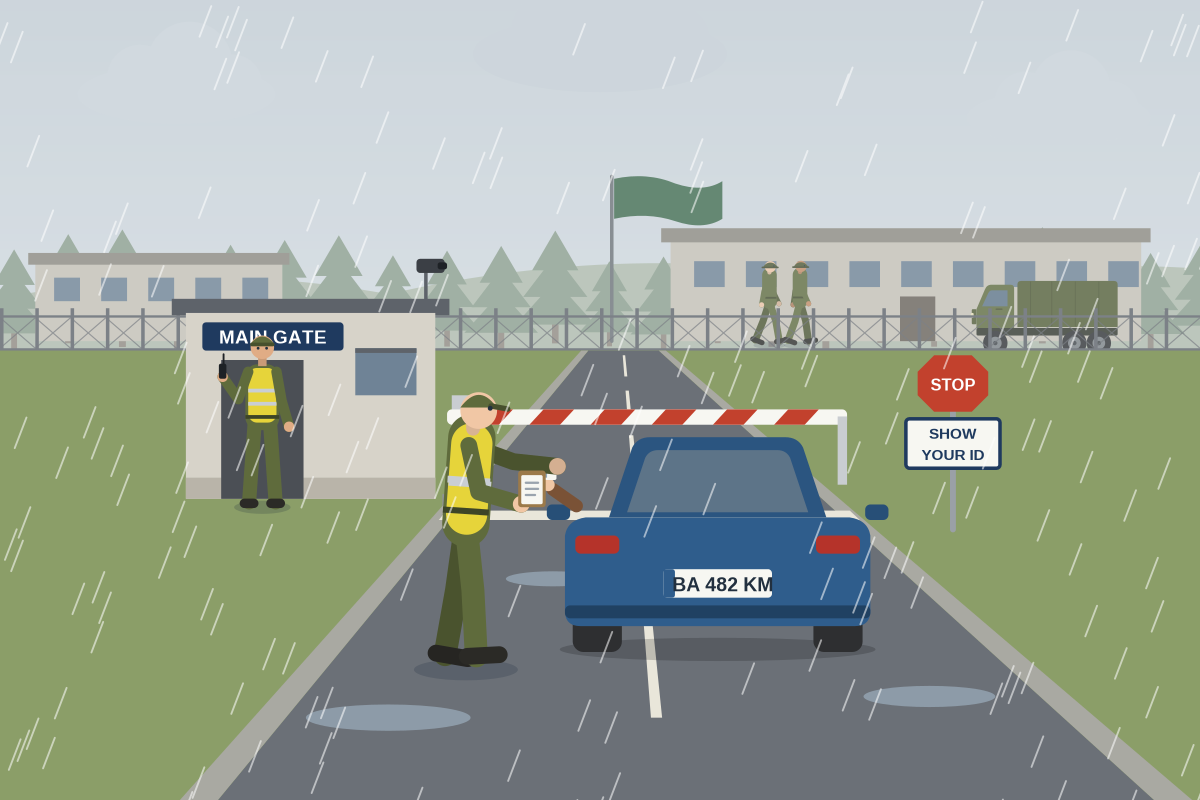
This picture shows the main gate of a military base. It is a gray, rainy day, and there are puddles on the road.

Together or alone

Working with a partner

One of you describes the picture. The other one listens and asks the questions. Then change roles. Every page also works alone: record yourself, press Listen to hear the questions, then compare with the model.

When you are the listener
  1. Give your partner 30 seconds to look. No talking.
  2. Listen for two minutes. If your partner stops, wait about ten seconds, then ask a question from "Stuck?" in Step 3.
  3. Ask the questions in Step 4, one at a time. Let your partner do most of the talking.
  4. Ask the harder question last. It is OK if your partner finds it difficult.
  5. Say one thing you liked and one thing to try next time. Then change roles.

This is practice, not a test.